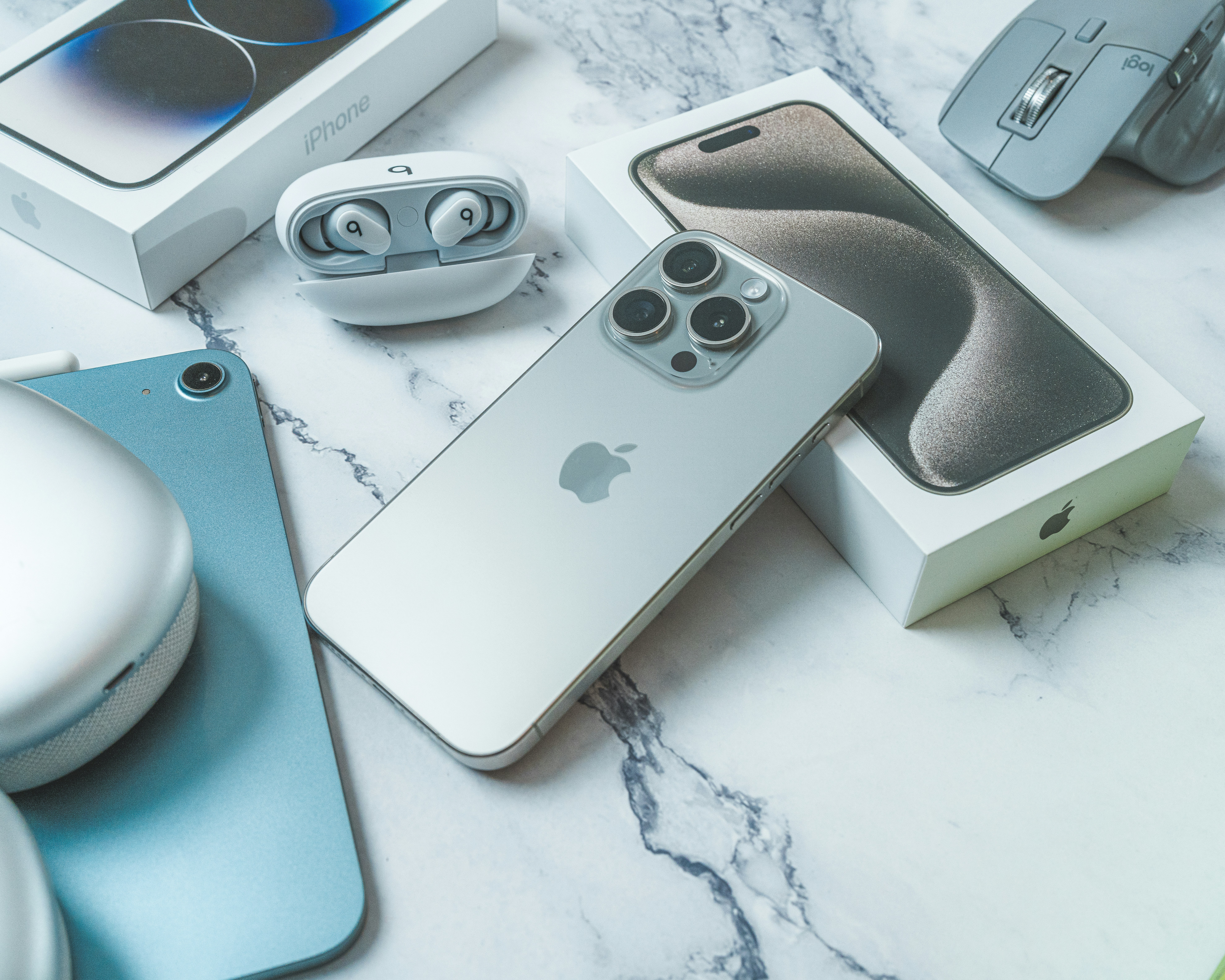
Smartphones: Your All-in-One Companion
In contemporary society, smartphones have evolved into indispensable tools that permeate nearly every aspect of daily life. Acting as multifunctional devices, they serve a variety of purposes that enhance both personal and professional efficiency. At their core, smartphones facilitate communication, providing users with instant access to calls, messaging apps, and social media platforms. This capability not only fosters connectivity with friends and family but also plays a crucial role in professional environments, allowing for seamless collaboration across distances.
Moreover, smartphones function as advanced personal organizers. With built-in calendars, reminders, and task management applications, these devices enable users to keep their schedules organized and manage their commitments effectively. In addition to these organizational features, smartphones support a plethora of applications specifically designed for productivity. Users can access documents, manage projects, or engage in virtual meetings from virtually anywhere, making them essential for those who require flexibility and mobility in their work lives.
Another significant feature of smartphones is their capacity for internet browsing. This functionality transforms them into powerful tools for obtaining information on demand, facilitating learning and research. From accessing news to exploring educational platforms, users can engage with content that enriches their knowledge base, thereby enhancing personal growth. Furthermore, the multitude of apps available for download allows individuals to customize their smartphones to suit specific interests or needs, reinforcing their role as personalized devices.
When determining the right smartphone, it is vital for individuals to consider their unique preferences and requirements. Not all smartphones are created equal; varying specifications, features, and price points cater to different lifestyles. Hence, understanding these distinctions will ensure that users select a device that complements their daily activities and optimizes their overall efficiency.
Laptops: The Versatile Workhorse
Laptops have emerged as an indispensable tool in today’s fast-paced world, catering to a variety of needs ranging from professional assignments to leisure activities. Their portability and performance characteristics make them ideal for diverse user requirements. Among the various types available in the market, ultrabooks, gaming laptops, and traditional models stand out for their unique features and specifications tailored to specific tasks.
Ultrabooks are known for their sleek designs and lightweight form factors, making them perfect for professionals who are always on the go. These devices typically come equipped with robust processors and solid-state drives, which not only facilitate fast boot times but also enhance overall productivity. Their exceptional battery life further adds to their appeal, allowing users to work for extended periods without frequent charging.
On the other hand, gaming laptops are specifically designed to handle graphics-intensive tasks. With dedicated graphics cards and advanced cooling systems, these laptops can ensure a seamless gaming experience while also being capable of performing demanding tasks such as video editing and 3D rendering. This versatility makes gaming laptops an appealing choice for creative professionals who require high performance alongside their entertainment needs.
Traditional laptops continue to be a reliable option for everyday computing tasks. They often offer a balance between performance and cost, making them suitable for students and remote workers alike. These models typically feature larger screens and enhanced keyboard layouts, providing a comfortable user experience whether for extended writing sessions or virtual meetings.
Laptops also enhance the flexibility of remote work and online education by allowing users to connect to the internet from various locations. This adaptability supports diverse learning environments and professional settings, ensuring that individuals can stay productive, engaged, and entertained simultaneously.
Smart Home Devices: Enhancing Daily Living
In recent years, smart home devices have significantly transformed the way individuals manage their households, making daily tasks more efficient and convenient. By integrating technology and automation into various aspects of home living, these devices promote a smarter lifestyle that enhances both comfort and security. Among the most prominent smart devices are smart speakers, smart thermostats, and home security systems.
Smart speakers, such as those powered by virtual assistants, serve as central hubs for managing a variety of smart home devices. Users can easily control lighting, entertainment systems, and even kitchen appliances through simple voice commands, streamlining daily activities. These devices also provide access to information, music, and even a hands-free way to manage calendars, enhancing overall productivity and convenience.
Another vital component of a smart home is the smart thermostat, which optimizes energy consumption by adjusting heating and cooling based on user preferences and occupancy patterns. This not only contributes to a more comfortable living environment but also significantly reduces energy bills. With the ability to program schedules and remotely control settings via smartphone applications, homeowners can ensure their homes are always at the ideal temperature, contributing to both environmental sustainability and financial savings.
Home security systems equipped with smart technology offer advanced protection and peace of mind. These systems allow users to monitor video feeds, receive real-time alerts regarding unusual activity, and even control locks remotely. The seamless integration of smart technology into home security reinforces safety and empowers homeowners to maintain control over their environments even when away from home.
Overall, the implementation of smart home devices significantly enhances daily living by offering unparalleled convenience and efficiency. As technology continues to advance, these devices are likely to become indispensable tools within modern households, facilitating a lifestyle that values comfort, security, and sustainability.
Wearable Technology: Staying Connected and Healthy
The rise of wearable technology has transformed the way individuals monitor their health and maintain connectivity in their daily lives. Devices such as smartwatches and fitness trackers have become ubiquitous, offering features that encourage active lifestyles while simultaneously providing users with vital health metrics. These wearable devices are tailor-made for those seeking to improve their well-being and enhance their everyday routines.
Primarily, fitness trackers serve as essential tools for monitoring physical activity by tracking metrics such as steps taken, calories burned, and sleep patterns. By utilizing sensors, these devices collect data and provide insights that help users set and achieve personal fitness goals. For instance, many models offer heart rate monitoring capabilities, enabling users to keep a close eye on their cardiovascular health. Likewise, smartwatches expand on this functionality by integrating additional features such as GPS tracking and mobile notifications, which create a seamless connection to one’s smartphone.
Moreover, wearable technology fosters an active lifestyle by promoting physical activity through reminders and gamified challenges. Recognizing when users have been inactive for extended periods, fitness trackers can send alerts that encourage movement, thereby combating sedentary behavior. This aspect of wearables highlights their role in not only tracking health but also motivating individuals to prioritize physical fitness.
In addition to promoting health, the connectivity offered by wearable devices simplifies access to important information. Users can receive notifications for calls, messages, and app alerts directly on their wrists, reducing the need to constantly check their smartphones. This feature not only enhances overall convenience but also allows for easy management of day-to-day activities.
Examples of popular wearable technology include the Apple Watch, Fitbit, and Garmin devices, each bringing distinct functionalities and design aesthetics to meet varying user preferences. As wearable technology continues to evolve, it promises to play an increasingly integral role in the intersection of health and connectivity in our everyday lives.